




Web Application Development vs Website Development – How They Differ

Powered by an expert content team, this blog blends SEO precision with compelling storytelling. Every insight is supported by data-driven research, ensuring content that ranks, engages, and drives conversions.

Our authors are proven experts in their fields, writing on topics where they have demonstrated expertise. Every piece of content undergoes peer review and validation by industry professionals.
AI Summary
Web Application Development vs Website Development - How They Differ
When businesses plan a modern digital presence, one key question often arises: Do we need a website or a web application?
Many assume that anything accessed through a browser is a website. In reality, not every URL leads to a traditional website. Many URLs point to web applications instead. From an end user’s perspective, the two can appear similar, which is why the definitions often feel confusing and overlapping.
To clear up this confusion, this guide explains the core differences between websites and web applications, highlighting what sets them apart and when each option makes the most sense.
A website and a web application may appear similar at first glance, but they differ significantly in terms of purpose, functionality, and development approach.
Purpose: A website is primarily used to present information and content to users. In contrast, a web application is built to interact with users and perform specific actions such as online shopping, banking, form submissions, or account management.
Functionality: Websites generally offer limited interactivity, focusing on content consumption. Web applications, on the other hand, provide dynamic and interactive features that respond to user inputs, delivering a more engaging and task-driven experience.
Development: Websites can often be developed using basic technologies like HTML and CSS. Web applications require more advanced programming skills and frameworks such as JavaScript, React, or Angular. While both follow similar development stages including research, planning, design, development, deployment, and maintenance, web applications with complex functionality typically involve additional steps such as strategy consulting, prototyping, wireframing, branding, thorough quality assurance testing, and continuous post-launch improvements. These steps ensure the application performs reliably and adapts to evolving user needs.
Server: Best Dedicated Servers play an important role in both website and web application development, although their importance varies based on performance requirements, scalability needs, and budget. Developers must carefully evaluate these factors to choose the most suitable hosting solution for their websites or applications.
What are the Main Components Involved in Web Development?
Web development goes beyond simply putting pages online. It is an ongoing process that brings together multiple components working in sync. Below are the core building blocks involved in any modern web project.
1. Frontend Development:
Frontend development focuses on everything users interact with directly. This includes the layout, design, buttons, menus, animations, and overall look and feel of a website or web application. Common technologies used in frontend development include HTML, CSS, and JavaScript, along with frameworks such as React or Angular. Whenever a form responds instantly or a menu transitions smoothly, frontend development is at work.
2. Backend Development:
Backend development handles the logic that operates behind the scenes. It manages server requests, processes data, communicates with databases, and ensures seamless interaction between the frontend and the server. Popular backend technologies include Node.js, Python with Django, PHP, Ruby on Rails, and Java. Simply put, if the frontend is what users see, the backend is what makes everything function reliably.
3. Database Management:
Database management is responsible for storing, retrieving, and updating data such as user accounts, content, and transactions. Databases like MySQL, PostgreSQL, and MongoDB are commonly used. The backend connects with the database to ensure information is handled securely and efficiently.
Together, frontend development, backend development, and database management form the foundation of any modern website or web application. Whether you are building a simple informational site or a complex digital platform, understanding these components helps clarify how everything works beneath the surface.
Also Read
What is a Website?
A website is a collection of interlinked web pages that are publicly accessible under a single domain name. Websites are primarily informational and are designed to present content to users. Common examples include blogs, news portals, and informational sites such as CNN or a recipe website like Martha Stewart.
User interaction on a website is usually limited. Visitors may submit a query through a contact form, sign up for a newsletter, or perform a search, but the overall experience is focused on consuming content rather than completing complex tasks.
Here is an example of a website.

Who Is the Target Audience for Web Development?
Web development is designed to serve a wide and diverse audience, including users on desktops, laptops, smartphones, and tablets. The primary goal is to ensure that people can easily access information or interact with digital tools and services, regardless of the device they use.
From professionals checking emails on Outlook to students accessing online courses or shoppers browsing products on Amazon, web development focuses on delivering a consistent and seamless experience. By accounting for different user behaviors, devices, and preferences, businesses can reach their audience more effectively and strengthen their online presence.
What Are the Benefits Of a Website?
Some major reasons are:
- Effectively showcase your products or services
- Build trust and credibility
- Create your social proof
- Branding your products or services
- Achieve business goals
- Improve customer support
- Platform to showcase your work
- Great marketing channel
- 24/7 online presence
- Increase online visibility
- Cost-effective promotion
How to Decide Whether Your Business Needs a Website?
If you are a small business serving a local audience, a simple boutique website design or custom website development is often sufficient. This type of website can briefly introduce your brand, highlight your services, and include essential details such as location information and a map.
If you are running a well-known or growing small business, a bespoke website is ideal for showcasing your products or services in more detail and creating a stronger brand presence for your customers.
For family-run businesses, early-stage startups, or businesses with smaller teams, the focus should be on branding, marketing, and lead generation. In such cases, a simple custom WordPress website development solution can effectively meet most business requirements.
If you are an established business group with steady growth, investing in a professionally designed website can also support broader digital marketing initiatives and help strengthen your online reach.
here are many scenarios where having a well-designed website can benefit your business. For tailored guidance, feel free to book a quick consultation with ColorWhistle to explore the right website solution for your needs.
Also Read
What are the Characteristics of a Good Website?
Some of the main characteristics of a good website are:
- Quality and relevant content
- User-friendly and responsive web design
- Clear navigation
- Compatible with various devices like smartphones, tablets, etc
- Good loading speed
- Easily searchable by search engines like Google, Bing, etc
- Lead capture forms
- SSL certificate
What is a Web Application Development?
A web application is an interactive digital platform that allows users to input data, perform actions, and receive real-time responses through a browser. Web applications became widely popular with the rise of the Software as a Service (SaaS model, which shifted software usage from local installations to cloud-based access.
Unlike traditional applications, web applications are hosted on the internet and can be accessed directly through a web browser without requiring downloads or installations. Because of this, they rely heavily on continuous communication with servers to process requests, manage data, and deliver dynamic content. To handle high volumes of traffic efficiently and maintain security, many web applications use residential proxies to manage and route requests effectively.
What Skills Are Required for App Development?
If you are planning to step into app development, there are several essential skills to focus on:
- Proficiency in Multiple Programming Languages: Languages such as JavaScript, Java, Kotlin, Swift, C++, C#, and Python form the foundation of most mobile and web application development projects.
- Strong understanding of UX and UI principles: Knowing how users interact with an application is just as important as writing code. This includes designing intuitive navigation, visually appealing interfaces, and ensuring overall usability.
- Problem-solving and debugging skills: Effective developers can identify issues quickly, write clean and maintainable code, and debug applications efficiently during development and after launch.
- App Design Knowledge: Understanding responsive design is crucial, as applications must function smoothly across different devices, screen sizes, and platforms.
- Familiarity with Testing Methods: Quality assurance requires hands-on experience with testing tools and frameworks to identify bugs early and deliver stable, reliable applications.
By developing these skills, you will be well prepared to turn app ideas into functional products that perform well in a competitive digital landscape.
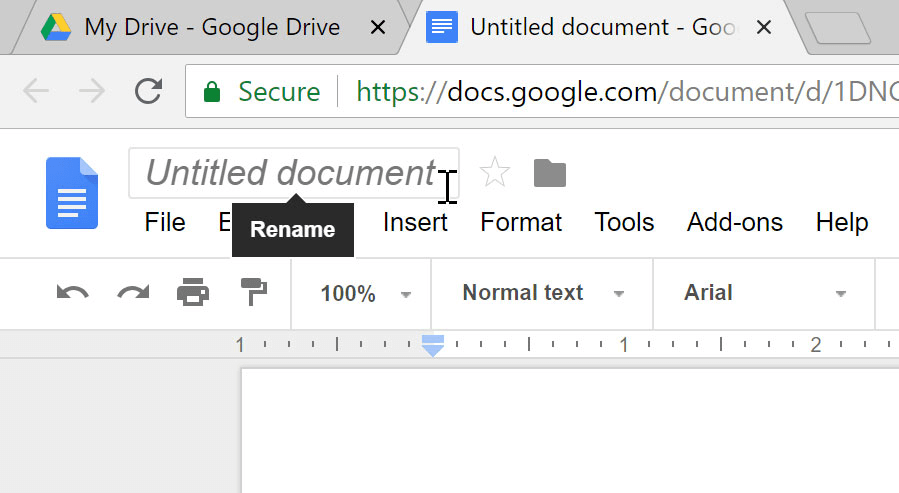
One of the most popular examples of web application development is Google Docs. It allows users to create documents, save them to a computer or Google Drive, collaborate in real time, and download files in multiple formats such as PDF, web pages, and EPUB publications.
What Programming Languages Are Commonly Used in App Development?
When building modern mobile and web applications, developers have a wide range of programming languages to choose from. The right choice typically depends on the target platform (iOS, Android, or web) and the specific requirements of the application.
Here are some of the most widely used programming languages in app development:
- JavaScript: A versatile language widely used for web applications and cross-platform mobile development through frameworks such as React Native.
- Java: A long-standing and reliable language for Android app development, supported by a mature ecosystem.
- Kotlin: The preferred language for Android development today, offering a modern syntax and improved safety features.
- Swift: The primary language for iOS app development, designed for performance, stability, and scalability across Apple devices.
- C++ and C#: Commonly used for high-performance applications and game development. C# is especially popular in Unity-based projects.
- Python: Frequently used for backend development, rapid prototyping, and select app development frameworks.
Selecting the right programming language depends on factors such as user experience goals, platform compatibility, team expertise, and long-term maintenance needs. Understanding these options helps ensure a stable and scalable application foundation.
What Are the Main Types of Apps in App Development?
When it comes to app development, there are three common approaches businesses and developers typically consider:
- Native Apps – TThese apps are built specifically for a single operating system, such as Android or iOS. Native apps can fully utilize platform-specific features and generally deliver the best performance and user experience. Examples include apps downloaded directly from the Apple App Store or Google Play Store.
- Hybrid Apps – Hybrid apps are developed using a single codebase that works across multiple platforms. They are often built with frameworks such as React Native or Flutter. While performance may be slightly lower than native apps, hybrid apps offer a cost-effective way to reach both Android and iOS users.
- Progressive Web Apps (PWAs) – PWAs are web applications that function similarly to native apps when accessed through a browser. They do not require app store downloads and can be installed directly from the browser. PWAs can also support offline functionality, making them a flexible solution. Well-known brands like Twitter and Starbucks use PWAs to enhance user accessibility.
Each approach has its own advantages, and the right choice depends on your business objectives, budget, target audience, and desired user experience.
What are the Benefits of a Web Application Development?
Web applications are becoming quite popular because of these reasons.
- Do not need to be installed as they run on web browsers
- Supported by all modern browsers
- New updates can be released without sending a reminder to users to update the application
- Easy to maintain as they use the same code in the entire application
- No compatibility issues
- Secure and easy to backup
- More affordable than mobile application development
Beyond these functional benefits, web applications help businesses increase customer engagement and improve the overall user experience. Because users always access the latest version, performance remains consistent and efficient. This leads to higher user satisfaction, increased active usage, and longer engagement time.
Implementation Cost
Web application development generally involves lower implementation costs compared to mobile app development. This is mainly because a single web application can run across all devices that support modern browsers. In contrast, native mobile app development requires separate applications and technology stacks for platforms such as iOS and Android, resulting in higher development and maintenance costs.
In summary, web applications provide a streamlined and cost-effective way to reach users across multiple devices while reducing development complexity and long-term expenses.
What are the Characteristics of a Good Web Application Development?
Some of the main characteristics of a web application are:
- Quick response time in the UI
- Adaptable to a large range of screen sizes and pixel densities
- Cloud-hosted
- API factored
- Cross-platform compatibility i.e. must be usable on Linux, macOS, and Windows
- Must support A/B testing and analytics
- Follow security best practices
- Easily deployable
- Rich tool support for logic flows, process flows, debug logs, etc
How to Decide if Your Business Needs a Web Application Development?
If you are a local business with a doorstep service business or a business expecting continuous customer interactions at regular intervals, you can automate this process with an innovative custom web application development.
If you are part of manufacturing, textile, agriculture or an industry that has many external divisions, to reach the end customer, you may need many software applications to run your business efficiently. Keeping all of them together on one web application development will be a huge benefit to your business process. There are many good ERP systems, cloud-based BPM applications, CRM software out there in the market to solve the business needs. However, there are always custom needs in organizations where development help is required for different web application systems.
For example, If you are running a modern business like travel, you would definitely need a web application development for your next travel portal with various travel website features, a web application development for online education with LMS features, a real estate web application development with features for real estate agents and clients, a health care web application for business to patient care. Likewise, the need for web application development requirements is just endless.
If your business needs interaction with your customers anytime they want, then you might need a web application with chat, social media, API integrations and custom API development to provide web services on time.
| Ranking | Technology | Domains | Market Share |
|---|---|---|---|
| 1 | Apache HTTP Server | 6,730,034 | 54.35% |
| 2 | nginx | 2,998,911 | 24.22% |
| 3 | Microsoft IIS | 1,473,515 | 11.90% |
| 4 | OpenResty | 438,593 | 3.54% |
| 5 | LiteSpeed Web Server | 365,238 | 2.95% |
| 6 | Phusion Passenger | 123,931 | 1.00% |
| 7 | Apache | 39,064 | 0.32% |
| 8 | Apache Coyote HTTP/1.1 Connector | 27,729 | 0.22% |
| 9 | Apache Servers | 25,354 | 0.20% |
| 10 | Tengine | 17,866 | 0.14% |
What are the Stages Involved in App Development?
App development follows a structured process that helps turn an idea into a functional and scalable product. Below are the typical stages involved:
- Strategy & Planning – Define business goals, target audience, and technical requirements. Research and planning at this stage help establish a clear roadmap and reduce risks later in development.
- Prototyping & Wireframing – Create low-fidelity sketches or interactive prototypes to visualize the app’s layout and user flow. Tools such as Figma, Sketch, or Adobe XD are commonly used to plan navigation and user journeys.
- Design & Branding – Develop the visual identity of the application. This stage focuses on UI design, color schemes, typography, and creating a consistent and user-friendly experience.
- Development – This is where the actual coding takes place. Frontend and backend developers build the application based on approved designs and functional requirements.
- Quality Assurance (QA) & Testing – Comprehensive testing is performed to identify bugs, improve performance, and ensure compatibility across devices, browsers, and platforms.
- Deployment – Once testing is complete, the application is released for public use. This may involve deploying to web servers or publishing to app stores, depending on the platform.
- Maintenance & Updates – After launch, the app requires ongoing maintenance, security updates, performance optimizations, and feature enhancements to remain reliable and competitive.
Each stage builds on the previous one, ensuring the final application functions smoothly and delivers a strong user experience in a competitive digital environment.
Who is the Target Audience for App Development?
Web and app development is not limited to a single user group. The target audience can be broad and varies based on business objectives and application purpose. Typically, app development is aimed at:
- Customers seeking convenience, whether on desktop or mobile devices
- Employees who need seamless internal tools for collaboration and productivity
- Businesses requiring platforms for B2B communication, data exchange, or analytics
- Users who benefit from real-time access, like travelers booking on Expedia or students engaging with online classrooms on Coursera
- Niche markets demanding dedicated experiences, such as fitness enthusiasts using Strava or real estate clients searching for homes on Zillow
In short, whether your audience consists of local customers, global users, or internal teams, app development should be designed to support seamless interactions, accessibility, and user-specific workflows across devices and platforms.
What are the Modern Technologies that Help to Build Websites and Web Applications?
Website design and development technologies are evolving so fast in pace with modern internet era systems. Knowing the new & modern web technologies in the market will allow business to build websites that will meet customer expectations and be in trend.
Best, top & popular open-source website development technologies for custom development are:
- WordPress CMS websites
- Drupal CMS websites
- Shopify eCommerce websites
- Magento eCommerce website
New & modern website development / web application development frameworks for custom development are:
Ultra-fast and very new static site generator frameworks for custom web app development are:
- Jamstack full-stack web development
- MeteorJS for cross-platform app development
What Factors Influence the Choice of Technology Stack for Web or App Development?
Choosing the right technology stack for a web or app development project is a critical decision, as it forms the foundation of the entire product. There is no one-size-fits-all solution. The ideal stack depends on a combination of project goals, technical requirements, and business constraints.
Some of the key factors that influence this decision include:
- Project Requirements: Every project has unique needs. Some require only basic functionality such as content management, smooth UI/UX, or simple transitions. Others demand advanced features like complex custom logic, third-party integrations, strong security measures, or real-time capabilities.
- Team Expertise: The experience and skill set of the development team play a major role. Choosing technologies the team is familiar with can speed up development, reduce errors, and simplify long-term maintenance.
- Time-to-Market: Projects with tight timelines often benefit from frameworks and platforms that enable faster development, such as WordPress for websites or React Native for cross-platform applications.
- Budget Constraints: Development, licensing, infrastructure, and maintenance costs vary across technology stacks. The chosen stack should align with your budget while still meeting functional and performance expectations.
- Scalability Needs: If future growth is a priority, scalability becomes essential. Some stacks are designed to handle rapid user growth and high traffic, while others are better suited for smaller or more focused applications.
- Security Considerations: Applications handling sensitive user data or financial transactions require secure, well-maintained technologies that receive regular updates and security patches.
- Integration Requirements: If your project relies on external tools such as CRMs, payment gateways, or analytics platforms, compatibility and ecosystem support should influence your technology choices.
- Audience & Platform: Understanding whether your users are primarily on mobile, desktop, or both helps determine whether to use responsive web frameworks, native development, or hybrid solutions.
Ultimately, the right technology stack is the one that supports your business goals while delivering efficiency, reliability, and long-term flexibility.
Most Common Tech Stacks for App Development
Choosing the right technology stack for app development depends on several factors like your specific business needs, development timeline, team expertise, licensing costs, and, of course, what your customers expect. While no single combination fits every business, some technologies have become industry favorites thanks to their flexibility, robust community support, and proven track record in building scalable apps.
Popular tech stacks widely used in modern app development include:
- Flutter – Renowned for cross-platform mobile app development with a single codebase.
- React Native – Built on JavaScript, ideal for creating native-like mobile apps for both Android and iOS.
- Django – A high-level Python framework applauded for rapid backend development and security.
- Swift – The go-to language for native iOS development, known for speed and safety.
- ReactJS – Favored for interactive and dynamic frontend web applications.
These frameworks empower developers to create everything from startup MVPs to enterprise-level apps, ensuring your project stays both current and competitive.
How to Maximize Digital Marketing Efforts for Small Business Websites?
Once you have decided that your small business requires a website, start thinking of how to make the best use of digital marketing channels. Website design with digital marketing provides faster reach to your audience. Do immediately consider the following digital marketing efforts to maximize your business visibility.
- Local SEO with Google My Business
- Social Media Marketing, mainly across Facebook, Instagram, Pinterest, Twitter, Linkedin
- Lead Generation Ad campaigns
How to Maximize Digital Marketing Efforts for Web Applications?
If you have a SaaS product or a web application that needs sustainable growth, you should leverage the best digital marketing channels.
Finding the right audience groups, from creating awareness to educating the customer personas via your content marketing efforts gives the best digital marketing results.
Below are some generic digital marketing channel recommendations for web applications, but when we do a digital marketing consulting, we will come up with tailor-made digital marketing strategies like,
- Technical blogging
- Infographics and statistics mapping
- Guest posts on technical blogs
- Engage with Q & A forums
- Linkedin and Quora Ad campaigns
- SEO & Social Media maintenance
How to Set SEO Goals for Websites?
The purpose of your business website is to get new customers and more customer attention to your brand. SEO can play a huge role in your business if you are taking SEO services seriously.
There are many ways you can set SEO goals on your website. Getting help from professional SEO service providers will help you to achieve as many as the goals of your business.
These are some of the SEO goals that can be set on Google Analytics to track the SEO goals performance
- Lead Generation Form Entries
- CTA Clicks
- Events Tracking
These are some of the SEO goals that can be set on the website for the growth of your business
- User visits – daily/weekly /monthly
- Qualified Lead Generation – Closely matching with your content marketing strategy
- Number of Lead Conversions – Closely matching with your sales strategy
These are some of the SEO goals can be set on the website to track SEO services performance,
- Number of goal conversions
- Volume of traffic based on per user, session, region and language
- Landing page traffic
- Exit page traffic
- Bounce rate improvements
- New session rate improvements
Also Read
How to Set SEO Goals For Web Application Development?
SEO goals for web application won’t have much difference with SEO goals for websites. But, the main focus should be given to all types of goal/event conversions on web applications.
That’s why most SEO professional agencies advise you to go with SEM to get faster benefits with the web application market.
To set SEM / SEO goals for a web application, one can consider the following options:
- Great landing page design with CRM + marketing automation integration
- Google Ad/Linkedin/Quora /Instagram campaigning
- Remarketing campaigns
- Lead nurturing campaigns
To get more ideas, do read these good SEO case studies that actually worked for businesses.
How to Select a Website Developer for Your Business?
Based on your business needs you may need to hire a website developer or hire a web development agency.
Going to a freelancer developer for your website related works leads to many unknowing issues if you are very new to the online world. If you are looking for an affordable option, find an outsourcing digital agency partner who provides all kinds of services for your website needs.
How to Select a Web Application Developer for Your Business?
Once you have decided to build a web application for your online business, the next big thing is to find an affordable web application developer or web application development company to work with.
Following are some of the process elements involved in different size of web application development:
- Low-fidelity wireframe development
- High-fidelity wireframe development
- Application UI screens design
- Application interactive prototype build
- Scalable code development
- Custom API development and API integrations
Website vs. Web Application
Here is the primary difference between websites and web applications.
| Key differences | Website | Web application |
|---|---|---|
| Interaction | Mainly display information to visitors | Interact with users and respond to their requests |
| Authentication (user login and password) | Not obligatory | Mostly requires authentication |
| Page type | Static. Users see the same information | Dynamic. Every user sees different information |
| Compilation | Does not need to be precompiled | Must be precompiled before deployment |
| Deployment | Small changes can be updated in HTML code | To make small changes, the entire project must be re-compiled and deployed |
| Programming languages | Developed using HTML, CSS and a little JavaScript | Developed using HTML, CSS and a little JavaScript. Uses programming languages like – PHP, Ruby, or Python apart from using frameworks like – Rails, Django, and CakePHP |
Should You be Building Web Apps or Websites?
The distinction between websites and web applications often creates confusion. In simple terms, a website is primarily informational, while a web application focuses on user interaction and data input.
For example, a website that displays a small catalog of products can still be considered informational. However, once users begin adding items to a cart, submitting details, or making payments, that specific functionality behaves like a web application. Some even argue that websites built on content management systems like WordPress function as web applications, since they include interactive dashboards and administrative user roles.
As technology continues to evolve, the boundary between websites and web applications is becoming increasingly blurred. Today, it is rare to find websites that consist only of static pages without any form of user interaction.
While a website may be sufficient during the early stages of a business, it may not support long-term growth or advanced functionality. Many organizations do not require a full-scale web application like Facebook, but instead look for a hybrid solution that combines informational content with interactive features. This approach often requires greater investment and development effort over time.
To make the right decision, it is essential to clearly understand your business goals and the differences between websites and web applications. Doing so helps ensure smoother planning, better collaboration, and a more effective development process
Looking for Web Development Services?
Seize and experience the transformative impact of Web Development Services & Solutions with ColorWhistle.

How Can ColorWhistle Assist With your Website Development and Web Application Development Needs?
This blog has highlighted the basic differences between both the entities. The choice between websites and web applications can have a significant influence on your business and its future.
If your website is looking for a transition from one phase to the next, it will be easy and cost effective if you hire the right team from day one. So, it is important to consult with our web application development company to get a more accurate picture.
Our team provides services such as:
- Creating UI/UX designs based on current trends
- Website development
- Web application development
- Mobile apps for iOS and Android
- Creating online shops on CMS (Magento, Shopify, WooCommerce, PrestaShop)
In quest of the Perfect Web Development Services & Solutions Buddy?
Be unrestricted to click the other trendy writes under this title that suits your needs the best!
- How To Make Business Plan For Your Web Design & Development Startup?
- Website Maintenance for Corporate Branding: Ensuring Consistency and Optimization
- Outsourcing Website Development Services to One Vendor vs Multiple Vendors
- Divi vs Other Popular Page Builders: A Comprehensive Comparison for Website Redesign
- Custom Plugin Development to Enhance Your Business Growth
- Multi Vendor Website – All in One Guide
 WordPress Development Outsourcing Checklist






Well-explained blog with valuable points.
Insightful content with real value.
Excellent examples of PWAs — this really helps brands understand how progressive web apps fit into their digital strategy.
thanks for this details! i just loved it!
“Wow, what an insightful and well-written article on website development! I truly appreciate the depth of knowledge and practical advice you’ve shared here. As someone who’s constantly exploring ways to refine and expand my understanding of website development, your post has been incredibly valuable. The way you broke down complex concepts into digestible sections made it not only easy to follow but also enjoyable to read.I especially loved your tips on UX/UI design.
It’s clear that you’re passionate about the subject, and it reflects in the quality of your content.
Thank you for taking the time to share this—it’s inspired me to take a fresh approach to my own projects. Looking forward to reading more of your articles!”
“Wow, what an insightful and well-written article on Web Development! I truly appreciate the depth of knowledge and practical advice you’ve shared here. As someone who’s constantly exploring ways to refine and expand my understanding of Web Development, your post has been incredibly valuable. The way you broke down complex concepts into digestible sections made it not only easy to follow but also enjoyable to read.
I especially loved your tips on UX/UI design. It’s clear that you’re passionate about the subject, and it reflects in the quality of your content.
Thank you for taking the time to share this—it’s inspired me to take a fresh approach to my own projects. Looking forward to reading more of your articles!”
I enjoyed this article—it’s such a great breakdown of the difference between websites and web applications. I’ve always thought they were pretty much the same, but your explanation made it clear how each serves a different purpose. The points on functionality and user interaction were especially helpful!
One thing I’m curious about—if a business is just starting, do you think it’s better to focus on building a solid website first, or should they dive into a web app if they’re planning for future interactivity?
Thanks for the great insights!
“Such a well-written and insightful post! Your perspective on modern design trends and how they impact user experience is really eye-opening. I’ve bookmarked this to refer back to as I continue learning and growing in web development . Keep it coming!”
This is nice and informative post.
This is such a comprehensive guide to web development! The way you explain complex concepts in simple terms makes it a must-read for anyone in the industry.”
Good and informative blog
This is a fantastic breakdown of the key differences between websites and web applications! It’s crucial for businesses to understand these distinctions to make the right choice for their digital presence. A website can be a great starting point for businesses looking to establish their brand online, but if there’s a need for dynamic interaction, a web application might be more appropriate.
This blog post beautifully explains the key differences between web application development and website development. As a developer, this clarity is vital for choosing the right path for my projects. Thank you for breaking it down so effectively!
Nice Article, I Really Appriciate for Sharing me an excellent blog on Crypto Currency Development,