


6 Successful Online Marketing Techniques for Travel Industry

Powered by an expert content team, this blog blends SEO precision with compelling storytelling. Every insight is supported by data-driven research, ensuring content that ranks, engages, and drives conversions.

Our authors are proven experts in their fields, writing on topics where they have demonstrated expertise. Every piece of content undergoes peer review and validation by industry professionals.
AI Summary
A Quick Summary of Successful Travel Industry Marketing Techniques
The travel industry has fully entered its performance-driven era. Inspiration still matters but in 2026, growth is defined by how efficiently brands convert intent into bookings across search, ads, platforms, and owned channels.
Travel remains one of the world’s largest industries, contributing over USD 7 trillion annually to the global economy. Yet competition has intensified: Travelers compare more, trust peer signals more than brands, and expect seamless digital experiences across devices and platforms.
This means travel marketing today is not about chasing every new channel, it’s about orchestrating the right mix of proven techniques, supported by data, automation, and continuous optimization. In a way to please travelers and to be ahead in this swiftly moving society, it is essential to find effective marketing techniques and strategies.
In this guide, we break down six marketing techniques that consistently work for travel businesses, explain when to use each, and highlight how they fit into a sustainable, multi-channel growth strategy.
1. SEO (Search Engine Optimization)
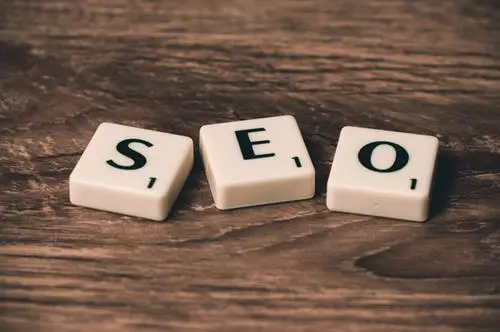
SEO remains the foundation of long-term visibility in travel marketing. For most travelers, search is still the first step in planning whether they’re researching destinations, accommodations, or experiences.
Why SEO still matters
- ~ 60% of Travelers start their planning with search
- ~ 95% of Organic clicks happen on page one
- Travel Queries are highly intent-driven (dates, prices, locations)
What Works in Travel SEO Today
- Destination-led content (guides, itineraries, comparisons)
- Strong internal linking between services and locations
- Fast, mobile-optimized websites with high UX scores
- Regular content updates aligned with seasonality
SEO is no longer about keyword stuffing. Search engines now reward usefulness, clarity, and experience-led content especially in competitive travel niches.
Also Read
Inspiring Statistics About SEO in Travel Marketing
- Search is the starting point for 60% of travelers – Search Engine Watch
- 95% of natural clicks come from page one of Google, Yahoo, and Bing 3% of clicks came from page two, and 2% came from page three – Stikkymedia
How to Optimize Your Travel Website for SEO?
Search engines like Google, and Bing alter their algorithms on a regular basis in order to place the travel website with relevant content on its results page.
Therefore, it is of crucial importance, that along with the search engines, you must also keep updating relevant content regularly on your website instead of filling content just for keyword purposes.
Moreover, user experience and SEO come hand in hand. To make it clear, search engines rank the websites depending on the user’s gratification level. Have a smart website that grasps the user’s attention and thereby obtain perfect recognition by the search engines.
2. Paid Advertising (Search & Social)
Paid ads accelerate demand capture when travelers are ready to act. They are particularly effective during high-intent windows seasonal peaks, promotions, and remarketing cycles.
By utilizing the social media channel and search engine platforms optimize your marketing practices and stand unique from your competitors.
Also Read
Interesting Statistics About Ads That Promote Travel & Tourism Industry
- 46% of attraction marketers say that delivering personalized ads and offers in real-time is their top challenge. Source – Sojern
- 80% of destination marketing organizations’(DMO) Facebook ads send visitors to their website. Source – CrowdRiff
- 86% of social media marketers used Facebook ads, as compared to only 18% for Twitter ads. Source – Social Media Examiner
- 75% is the average conversion rate for Google Ads Source – WebFx
How To Create Effective Paid Advertisements?
- Match Ads to Traveler intent (Research vs Booking)
- Use dynamic creatives (prices, dates, destinations)
- Continuously test creatives, landing pages, and bidding strategies
Paid ads don’t replace SEO, they amplify it, especially when supported by strong landing pages.
3. Metasearch Engine Marketing
Metasearch engines have evolved into performance marketing platforms rather than simple comparison tools. They aggregate rates from OTAs and direct suppliers, allowing travelers to compare prices instantly and redirecting them to booking channels. Metasearch engines like Webjet, Tripadvisor and Trivago have developed into a stand-alone marketing medium that has supported many travel agencies to stay competitive and to maximize their digital presence.
Interesting Statistics on How Meta Search Engines Support in Travel Marketing
- 82% of digital marketers from various travel agencies saw high returns from metasearch. Source – Koddi
- 72.5% of travelers use metasearch engines in their search process. Source – EyeForTravel
- 39% of Millennials use metasearch sites and in the US alone 57.46% of people use metasearch engines. Source – Hotelchamp
How Travel Agencies Can Benefit From Metasearch Engine Marketing?
- Update dynamic pricing budgets on travel booking on a daily, weekly, monthly pattern
- Encourage travelers to send feedback, reviews about the travel agency
- Provide a quick response to any negative comments given by travelers
By having a strong presence on metasearch engines your travel website can acquire more travel bookings from millions of travel aspirants.
Also Read
4. Google Hotels
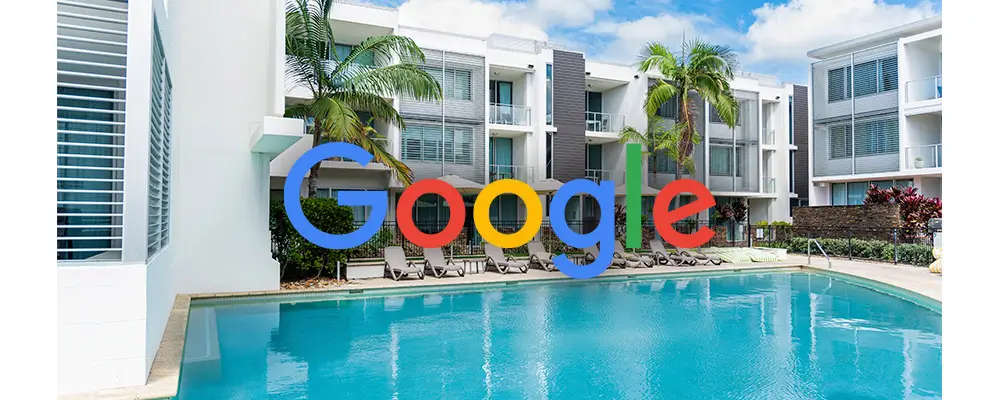
Google Hotels has become a dominant discovery and conversion channel by blending search, maps, pricing, and reviews into one experience. Travelers increasingly expect answers inside Google – not after multiple site visits.
Google Hotels operates as a part of Google travel, an ultimate tool for trip planning. It has all the essential tools needed for booking trips, flights, hotels, packages, travel guides, and more.
How to Drive Travelers to Your Agency via Google Hotel?
- Create an account in Google Hotel Centre to advertise travelers about the pricing & availabilities
- Connect your Google Hotel Centre account to the Google Ads account
- Start advertising campaigns in Google Hotels
Make sure you add information like address, contact information, category, and photos.
Also Read
5. OTA (Online Travel Agencies)
OTA’s, in short, as Online Travel Agencies is a powerhouse in providing seamless travel planning experience. The OTA giants like Booking.com, Kayak, Momondo, Expedia, and Hotels.com have grasped the attention of a vast set of travelers.
Interesting Statics on How OTAs Work in Successful Travel Marketing
- 39% of the digital travel market belongs to online travel agencies, and the number is expected to grow. Source – Phocuswright
- Expedia and Booking Holdings continue to dominate in the U.S., with the two collectively representing 92% of the OTA market. Source – Phocuswright
What Are the Benefits of Using OTAs in Travel Marketing?
- Easy to acquire higher visibility for your website
- Allows to extend services to different groups of travelers
- Provides easy access to reviews and users can compare the prices at one place
- Some OTAs allocate a dedicated support team
If you like to learn more about OTAs, the models, and what the future holds for these agencies, click here.
6. Email Marketing
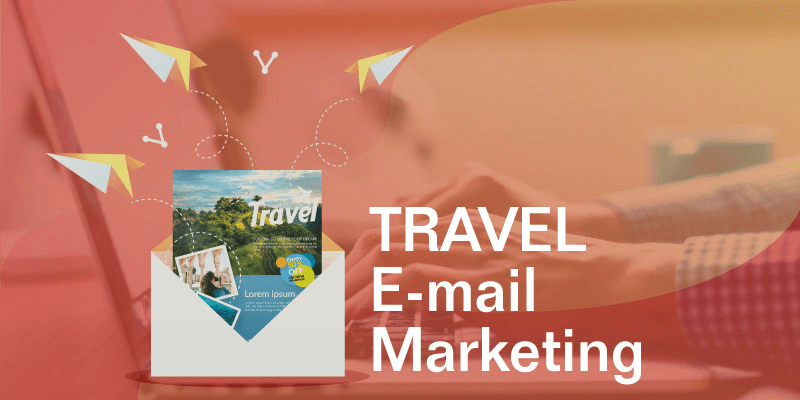
Many industries such as e-commerce, real estate, education, NPO, etc are making the best use of email marketing to enhance their growth.
In this tech-savvy world, email marketing techniques are one of the best ways to retain current travelers, attract new tourists, and make your travel business stand out. It is a powerful marketing technique to reach travelers around the world.
Also, by formulating effective travel email marketing techniques, more travelers will reach your travel website to book trips, reserve accommodations, and many other travel-related tasks.
Interesting Statistics About the Impact of Email Marketing in the Travel Industry
- 84% of brands use email marketing to help them retain customers (Optinmonster)
- 83% of millennials are happy for travel brands to track them so they can get personalized service (SmartInsights)
- 58% of travelers say email is their first “check” of the day (Optinmonster)
What Are the Benefits of Email Marketing in Travel & Tourism?
- Easy to create brand loyalty among traveling customers
- Allows to attract and retain new travelers
- Easy to build brand awareness
How To Do Effective Travel Email Marketing?
- Personalize the email marketing promotions according to traveler’s interests and past experiences – 83% of millennials are happy for travel brands to track them so they can get personalized service. (SmartInsights)
- Grab the traveler’s attention by embedding videos in the emails – 66% of travelers watch videos when researching a destination (Econsultancy)
As you create personalized experiences to your individual travelers through email marketing it helps in booming up your travel industry.
Why Programmatic Advertising Works Wonders for Travel Businesses
Programmatic advertising takes the guesswork out of marketing by using real-time data to deliver tailored ads directly to travelers ready to book. It helps travel brands target specific audiences, families, solo adventurers, or business travelers, with precision and efficiency.
Key advantages:
- Accurate Targeting: Reach travelers based on demographics, interests, and past booking behavior.
- Real-Time Optimization: Adjust spend and creative on the fly for better performance.
- Efficiency & ROI: Automated bidding saves time while ensuring every dollar drives meaningful results.
From luxury getaways to budget trips, programmatic advertising ensures your offers reach the right explorers at the right moment, turning travel dreams into actual bookings.
Why Programmatic Advertising Works Wonders for Travel Businesses
Programmatic advertising is transforming how travel brands reach wanderlust-driven audiences. Instead of guesswork, it uses real-time data to target travelers actively planning their next trip, whether that’s a family vacation, a solo hike, or a business flight.
Key benefits include:
- Precise Targeting: Segment audiences by behavior, interests, or past travel activity to minimize wasted ad spend.
- Real-Time Optimization: Adjust campaigns instantly for better performance.
- Automated Efficiency: Let smart bidding and placement save time while maximizing reach.
- Higher ROI: Redirect budgets toward the best-performing ads to boost bookings.
From safaris to city tours, programmatic advertising connects your travel brand with the right explorers at the perfect moment, turning digital daydreams into real itineraries.
How Dynamic Retargeting Re-Engages Interested Travelers
Not every traveler books on their first visit, and that’s where dynamic retargeting comes in. It reconnects with visitors who’ve shown interest by displaying personalized ads based on the destinations or packages they viewed.
Whether someone explored your Maldives tour or luxury New York stays, dynamic retargeting keeps those options top of mind, reminding them to complete their booking. By delivering tailored, timely messages instead of generic ads, it turns casual browsers into confirmed travelers and boosts your conversion rates effortlessly.
Seasonal Targeting: Timing Is a Competitive Advantage
Travel demand follows clear seasonal patterns. Brands that plan campaigns 2–6 months ahead consistently outperform those reacting late.
Seasonality varies by region: Mexican beaches boom from December to April, while U.S. travel peaks from June to August. Ad engagement follows similar patterns, rising in spring and summer, and again before winter holidays as travelers plan their escapes.
Getting your timing right means fuller bookings and smarter ad spend. Seasonal targeting helps you:
- Maximize impact by running campaigns when travelers plan most.
- Reach early planners before competitors do.
- Leverage off-seasons with creative alternatives.
- Optimize budgets using trend data from sources like Google and Tripadvisor.
Staying in sync with these patterns ensures your brand shows up right when travelers are ready to be inspired.
Tools and Data Sources for Attributing Visits and Optimizing Travel Campaigns
To truly measure your travel campaign’s success, it’s not enough to count clicks, you need to see how ads drive real-world visits. Modern tools and platforms now make that possible by linking digital engagement with physical travel behavior.
Location-based solutions can:
- Attribute visit “lift” generated by your ads
- Identify where travelers come from (country, state, or city)
- Reveal what they do at your destination, restaurants, parks, museums, and more
- Provide live insights for real-time optimization
Popular tools like Google Analytics, Facebook Attribution, Foursquare, and Adara use privacy-safe location data to map ad engagement to actual visits. For deeper analysis, pair them with Visa Destination Insights or Mastercard Tourism Insights to track spending patterns and sector impact.
By leveraging these tools, travel marketers can pinpoint ROI, identify top-performing markets, and craft sharper, more data-driven campaigns that truly move travelers from inspiration to arrival.
Drive Conversions and Boost your Business with Expert Travel Website Development.

Conclusion
Along with these 6 successful ways for travel marketing, one bonus tip that we would like to recommend is travel agencies and tour operators should practice upgrading according to the new technologies.
Our experiences in travel website development and lots of travel marketing both helped us to cover the above-specified 6 successful ways for travel marketing.
Do you need to have guidance on implementing smart & successful digital marketing strategies in your travel marketing techniques?
Then, ColorWhistle is the perfect company for you! We provide professional services for web design, development, digital marketing, and many more for the enhancement of your online travel business.
If you have any queries related to travel marketing you can reach us at any time. Our team is happy to support you!
In quest of the Perfect Travel Tech Solutions Buddy?
Be unrestricted to click the other trendy writes under this title that suits your needs the best!
 How Online Technology has Transformed Travel ...