



The Role of Social Media in the Digital Marketing Agency Landscape

With half a decade of experience in creating tech content for education, healthcare, hospitality, and real estate, Nandhini excels at turning complex insights into clear, credible, in-depth, research-backed, and engaging content that helps readers make informed decisions.

Our authors are proven experts in their fields, writing on topics where they have demonstrated expertise. Every piece of content undergoes peer review and validation by industry professionals.
AI Summary
Key Highlights of Social Media in Digital Marketing Agencies
This post explores how social media has become a vital component of digital marketing strategies for agencies and businesses. The key insight: social media is a powerful, data-driven marketing engine with billions of active users and precise targeting capabilities. It offers cost-effective advertising, real-time analytics, and enhanced brand engagement. The blog explains social media’s impact on business growth, the shift from traditional to digital marketing, and the role of various platforms and analytics tools. Marketers and agencies will learn to leverage social media for targeted campaigns, improved conversions, and sustained brand visibility in a competitive digital landscape.
Social media has become a core pillar of digital marketing, influencing how brands connect, engage, and convert their audiences. With billions of users actively spending time on social platforms every day, businesses increasingly rely on social media marketing to build brand visibility, generate leads, and drive measurable growth.
Recent reports show that over 4.9 billion people worldwide actively use social media, and brands leveraging social platforms as part of their digital strategy experience significantly higher engagement and conversion rates. As digital ecosystems evolve, social media is no longer just a communication channel but a data-driven marketing engine powered by analytics, automation, and AI-led targeting.
In this blog, we explore the role of social media in digital marketing, its impact on business growth, emerging trends, and why it continues to be a critical component for modern marketing strategies.
Did you know?
According to statistics, the amount of money spent on advertising through social media is expected to reach $480.07 billion in 2030.
Before diving into the details, let’s look at some of the latest statistics related to social media usage. Recent reports indicate that the number of social media users worldwide has crossed 5 billion users, with people spending an average of 2.5 hours per day across social platforms. In addition, more than 90 percent of marketers confirm that social media plays a critical role in their overall marketing strategy. These figures clearly indicate the significant impact social media has on businesses and the digital marketing industry.
Shifts in Marketing Strategies – From Traditional to Digital Marketing
From traditional marketing modes to the digital era, the marketing world has undergone a major transformation in recent years. Businesses now recognize the growing importance of digital marketing and are gradually moving away from outdated methods. Traditional marketing approaches such as print ads, billboards, and TV commercials were effective for mass reach, but they lack precise targeting and performance measurement. With digital marketing, businesses can target specific demographics, interests, and behaviors to ensure their message reaches the right audience.
Traditional marketing often works on broad exposure, while digital marketing focuses on accuracy and measurable outcomes. Digital campaigns allow marketers to track performance in real time, analyze user behavior, and optimize strategies based on data. This makes it easier to improve engagement, conversions, and overall return on investment.
Take social media marketing, for example. With billions of active users across platforms like Facebook, Instagram, LinkedIn, YouTube, and Twitter, businesses can reach large audiences instantly. Social media marketing also allows brands to customize content based on platform preferences and audience behavior, enabling two-way communication rather than one-sided promotion.
Another important aspect of digital marketing is search engine optimization (SEO). By optimizing website content and structure for search engines like Google, businesses can improve visibility and attract consistent organic traffic. Search engine optimization (SEO) helps potential customers discover your business when they actively search for relevant products or services, making it a powerful long-term growth strategy.
The Role of Social Media in the Digital Marketing Agency Landscape
It’s crystal clear that social media has become the top dog platform for people to spill their guts and touch base with others. Whether it’s airing opinions, laying out likes, or dishing out critiques, social networks offer a level playing field for public conversation. It’s worth pointing out that advertisers have caught on to the significance of engaging with customers directly via social media.
Social Media Branding and Analytics Tools
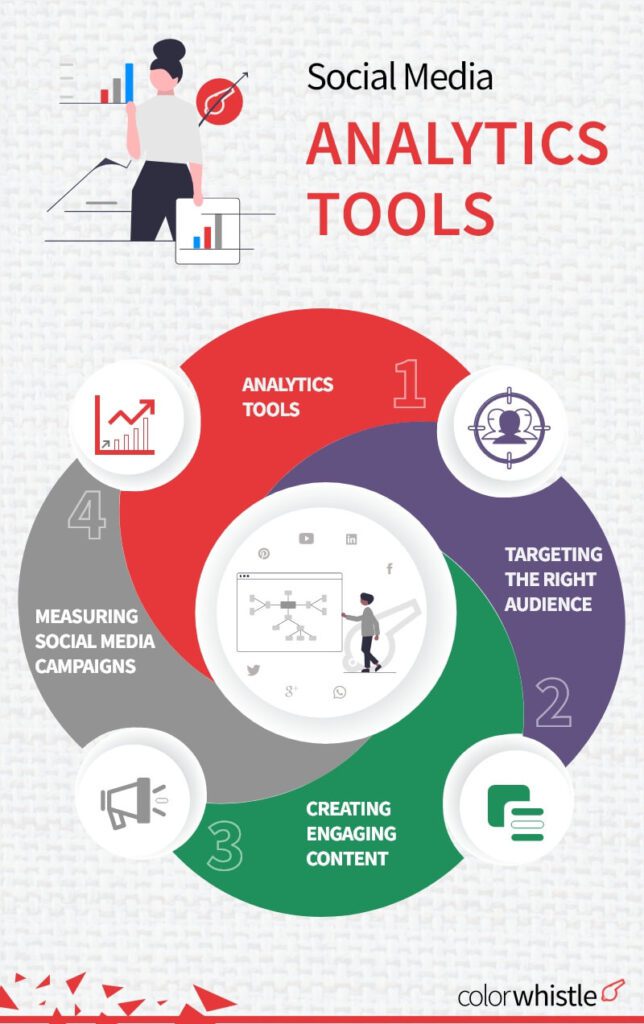
Branding through social media is a critical part of modern business marketing strategies. Today, successful branding on social media goes beyond posting content and focuses on data-driven decisions, audience targeting, and performance measurement. Businesses now rely on a combination of creative content, platform-specific strategies, and analytics to build consistent brand visibility and engagement.
Social media analytics tools help businesses track campaign performance and gain actionable insights into audience demographics, reach, engagement, and conversions. These tools allow marketers to understand what content resonates most with users and optimize campaigns accordingly. Popular social media analytics tools such as Google Analytics, Hootsuite, and Sprout Social support real-time reporting, competitor analysis, and performance benchmarking, making them essential for informed marketing decisions.
Social Media and Business
In today’s digital-first environment, social media has become an integral part of everyday life and a powerful channel for business growth. Businesses increasingly use social media to connect with customers, showcase brand values, and build long-term relationships. When used strategically, social media helps businesses increase visibility, improve customer engagement, and strengthen brand trust.
Promoting a business through social media allows for direct and meaningful interaction with audiences. By sharing relevant content and encouraging conversations, businesses can create a strong sense of community around their brand. Positive customer experiences shared on social media also support word-of-mouth marketing, which continues to influence purchasing decisions.
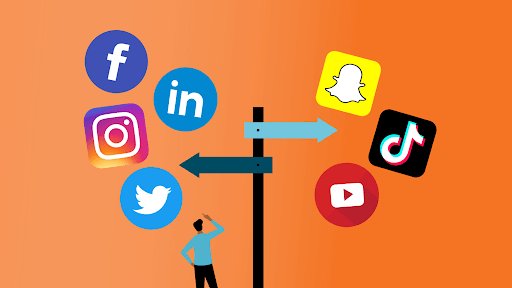
However, effective use of social media requires active engagement. Social media works best as a two-way communication channel, where businesses listen, respond, and adapt based on customer feedback. Choosing the right platform is equally important, as each social media platform caters to different audiences and content formats. Visual brands often perform well on Instagram, while B2B organizations benefit more from LinkedIn.
Also Read
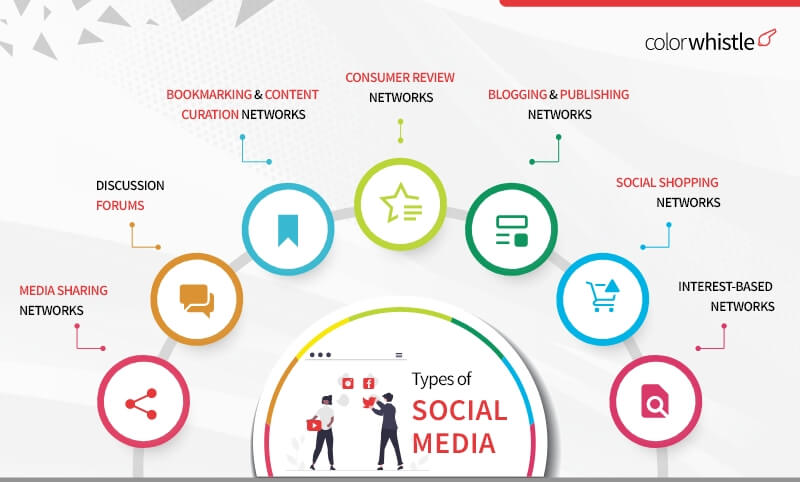
Types of Social Media
Social networking sites are designed to connect people with others who share similar interests, hobbies, or professional backgrounds. Platforms such as Facebook and LinkedIn allow users to build networks, join groups, and engage in discussions around shared interests.
Media Sharing Networks focus on visual and multimedia content, enabling users to upload and share videos, images, and audio. Platforms like YouTube, TikTok, Instagram, Vimeo, and Flickr support content discovery, creativity, and audience engagement.
Discussion Forums provide spaces for in-depth conversations and knowledge sharing. Platforms such as Reddit and Quora allow users to ask questions, share insights, and participate in topic-specific discussions, making them valuable for community engagement and brand authority.
Bookmarking and Content Curation Networks help users discover, organize, and share online content. Platforms like Pinterest and Flipboard allow users to save ideas, curate collections, and share content with followers.
Consumer Review Networks enable users to rate and review products, services, and businesses. Platforms such as Yelp and TripAdvisor influence purchasing decisions by providing user-generated reviews and ratings.
Blogging and Publishing Networks allow individuals and businesses to share long-form content and thought leadership. Platforms like WordPress and Medium support content creation, storytelling, and audience engagement.
Social Shopping Networks combine e-commerce with social interaction, allowing users to discover and share products. Platforms such as Polyvore and Wanelo focus on curated shopping experiences and peer recommendations.
Interest-Based Networks connect users around specific hobbies and interests. Platforms like Goodreads and Meetup help people engage with communities focused on books, events, and shared activities.
Why Social Media Matters in Digital Marketing
To begin with, let’s explore the grounds why social media has become a game-changer in digital marketing. There are innumerable benefits that social media platforms carry to the table, making them indispensable tools for any marketer worth their salt.
Large and Engaged Audiences
Social media platforms have millions (and in some cases, billions) of active users. This means that these platforms offer an enormous potential audience for marketers to reach. Moreover, these users are often highly engaged with the content on these platforms, meaning that well-crafted marketing campaigns can generate a lot of interest and attention.
Targeting Capabilities
Social media platforms offer marketers a powerful toolset to hit the nail on the head by narrowing down their audience with pinpoint accuracy. Marketers can leverage these capabilities to focus on specific groups based on demographics, interests, behavior, and much more. This unique feature enables marketers to customize their messages accurately for their intended audience, ultimately strengthening the probability of conversion.
Cost-Effective
Using social media to advertise is a close-fisted way to reach a wide net of potential customers. In contrast to conventional advertising avenues such as TV, radio, or print, social media advertising is frequently more budget-friendly, making it within reach for mom-and-pop shops and mid-sized enterprises.
Insights and Analytics
Social media platforms provide a treasure trove of information and insights that marketers can leverage to gauge the success of their campaigns. Such data can comprise various metrics like engagement rates, click-through rates, conversion rates, and more. By scrutinizing this data, marketers can separate the wheat from the chaff, pinpoint what’s effective and what’s not, and fine-tune their campaigns accordingly.
Latest Technical Developments in Social Media Marketing
As social media platforms have stepped up their game in the world of digital marketing, they’ve also upped their tech game. Here are some cutting-edge advancements that savvy marketers are using to maximize their impact on these platforms.
Artificial Intelligence (AI)
In the past few years, Artificial Intelligence (AI) has made its way into the mainstream of social media marketing. To illustrate, Facebook employs AI to serve users with more fitting ads according to their interests and behavior. Moreover, AI can be leveraged to perform tasks like content generation and selection, which can spare marketers a lot of time and energy.
Chatbots
Chatbots are the new kid on the block in social media marketing, gaining steam as a technical advancement. These software programs simulate human conversation with the help of AI and can be utilized for customer service, FAQs, and sales. By integrating them into platforms like Facebook Messenger, marketers can connect with their audience on a more intimate level.
Virtual Reality (VR) and Augmented Reality (AR)
Virtual Reality (VR) and Augmented Reality (AR) are ready to shake things up in the world of social media marketing. These cutting-edge technologies have the power to create mind-blowing experiences that will leave users spellbound. With VR and AR, brands can give users a taste of the good life, enabling them to interact with products or services in a way that’s nothing short of extraordinary. For instance, a beauty company may offer virtual makeup trials through AR, while a furniture company could provide customers with the experience of seeing how their furniture would appear in their homes.
Influencer Marketing
Partnering with social media influencers to promote products or services is a game-changing strategy known as influencer marketing. This approach has gained a lot of steam in recent times, prompting social media platforms to roll out tools that make managing influencer campaigns a piece of the cake.
Weaving Social Media into the Bigger Picture
To ensure social media works hand in hand with your broader digital marketing efforts, focus on seamless integration across every channel. Keep your messaging, visuals, and calls to action consistent, from Instagram posts to email campaigns and website banners, so your audience instantly recognizes your brand wherever they go.
Use smart cross-promotion: link social campaigns to your website, add share buttons in newsletters, and encourage blog readers to join conversations on LinkedIn or X. The goal is to make each touchpoint part of a connected journey that strengthens brand recall and drives engagement across platforms.
Common Pitfalls in Social Media Marketing
Social media offers incredible opportunities, but a few missteps can derail even the best efforts. Watch out for these common traps:
- Inconsistent Posting: Irregular activity makes your brand easy to forget. Stay visible with a steady posting rhythm.
- Self-Centered Content: Constantly pushing products without adding value turns followers off. Balance promotion with tips, stories, and insights that genuinely engage.
- Ignoring Engagement: Failing to reply to comments or questions signals disinterest. Social media is about connection, not one-way broadcasting.
- Avoiding Criticism: Deleting or dodging negative feedback damages trust. Address concerns openly to show authenticity.
- No Clear Strategy: Posting without defined goals or audience insight leads to wasted effort. A focused plan keeps your messaging purposeful.
Steer clear of these pitfalls, and your social media presence will not only grow, but it’ll also resonate.
What’s Next for Social Media in Digital Marketing?
The future of social media is set to get even smarter. With AI and machine learning leading the charge, brands will deliver hyper-personalized content that feels tailor-made for every user. Social platforms will increasingly merge with eCommerce, through features like Instagram checkout and TikTok’s shoppable videos, turning casual scrolling into instant shopping.
Expect deeper personalization, mood-based recommendations, and the rise of immersive tools like AR try-ons and virtual communities. New platforms and interactive experiences will keep reshaping how users connect, shop, and engage, pushing marketers to stay agile and one step ahead.
Looking for Digital Marketing Services?
Seize and experience the transformative impact of Digital Marketing Services & Solutions with ColorWhistle.

Wrap-up
Social media is an indispensable tool in today’s digital marketing company landscape. With the power of social media platforms, agencies can help your brand reach potential customers worldwide, while also providing you with detailed insights into your campaigns’ performance in real-time.
This allows for targeted marketing efforts that are both efficient and effective. By staying up-to-date with the latest social media trends and algorithms, agencies can ensure that your brand stays relevant and competitive.
With all of these benefits, it’s clear that incorporating social media into your digital marketing strategy is a crucial step in achieving your business goals. Don’t miss out on the opportunities that social media can offer your brand- start working with a digital marketing agency today to take your brand to the next phase!
Browse through our ColorWhistle page for more related content and to learn about our services Contact us via our contact page or call us at +19192345140 to get started on creating an unbeatable tire brand today!.
What’s Next?
Now that you’ve had the chance to explore our blog, it’s time to take the next step and see what opportunities await!
 FAQs on Graphic Design for Branding and Socia...







It perfectly captures how social media has transformed the digital marketing landscape from audience engagement to data-driven strategy. A must-read for businesses aiming to stay relevant and competitive in today’s digital era.
It perfectly captures how social media has transformed the digital marketing.
Nice blogs